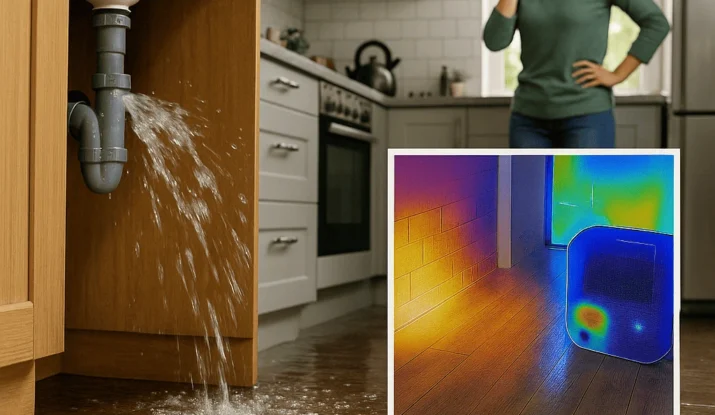
Water damage can spread quickly through flooring, walls, cabinetry and furnishings. A leaking pipe, overflowing appliance, damaged roof or severe storm may leave visible water, but moisture can also remain hidden inside building materials. Acting early helps limit further damage and makes the restoration process more manageable.
This guide explains the immediate steps Perth property owners can take, how professional water extraction and structural drying work, and when specialist assistance should be arranged.
If you need immediate professional help, visit our water and flood damage restoration Perth service or call +61 400 949 954.
What to Do Immediately After Water Damage
Safety should always come first. If water is close to electrical fittings, power boards or appliances, avoid entering the affected area until it has been assessed. Stop the source of the water only when it is safe to do so. For example, turn off the property's water supply if a pipe or appliance connection has failed.
Move unaffected belongings away from the wet area and take photographs or videos of the damage before cleanup begins. These records may be useful when speaking with an insurer. Avoid using a household vacuum to remove water, and do not disturb water that may be contaminated by sewage or other hazardous materials.
Why Professional Drying Is Important
Removing standing water is only the first stage. Carpet underlay, timber, plasterboard and wall cavities can retain moisture after the surface appears dry. If this moisture is not identified, it may contribute to odours, staining, swelling, deterioration and mould growth.
Professional restoration technicians use moisture meters and other inspection tools to locate affected areas. Commercial extraction equipment, air movers and dehumidifiers are then used to control moisture and support a monitored drying process. The equipment and drying plan should be matched to the affected materials and the extent of the damage.
The Water Damage Restoration Process
A typical restoration project may include the following steps:
- Inspection and safety assessment: locating the water source, checking the affected areas and identifying potential hazards.
- Water extraction: removing standing water from floors, carpets and other accessible surfaces.
- Moisture detection: checking walls, floors and building materials for moisture that may not be visible.
- Drying and dehumidification: using suitable equipment and monitoring progress until the drying goals are reached.
- Cleaning and sanitising: treating affected surfaces according to the source and category of water.
- Repairs and restoration: repairing or replacing materials that cannot be safely dried or recovered.
Signs That You May Need Specialist Help
Arrange a professional assessment if water has entered wall cavities, soaked carpet and underlay, affected timber or plasterboard, spread across several rooms, or remained in place for an unknown period. Persistent damp smells, bubbling paint, swollen skirting boards and new staining can also indicate hidden moisture.
Water from sewage, stormwater or an unknown source requires additional care because it may contain contaminants. Keep people and pets away from the affected area until appropriate safety and cleaning measures have been determined.
How Long Does Water Damage Restoration Take?
The time required depends on the amount and source of the water, the materials affected, access to hidden areas and the level of repair needed. Extraction may be completed quickly, while monitored structural drying can take several days. More extensive damage may require removal and replacement of materials after drying is complete.
What Affects the Cost?
Restoration costs vary according to the size of the affected area, water contamination, equipment requirements, drying time and any repairs required. A site inspection allows the restoration team to define the scope of work and explain the recommended next steps. If an insurance claim may be involved, keep photographs, invoices and relevant reports for your records.
When to Call a Perth Restoration Specialist
GSB Flood Master assists Perth homes and businesses with water extraction, moisture assessment, structural drying, cleaning and restoration. Prompt action can reduce the chance of secondary damage and help return the property to a safe, usable condition.
Need help with water damage in Perth? Call GSB Flood Master on +61 400 949 954 to discuss the affected area and arrange an assessment.
CONTACT US
WE Can Help. our Team Experts in on Hand To Answer Your Questions.We provide water damage restoration services to all Suburbs of Perth.


24/7 emergency services available in
Perth Suburb and Local Government Area