

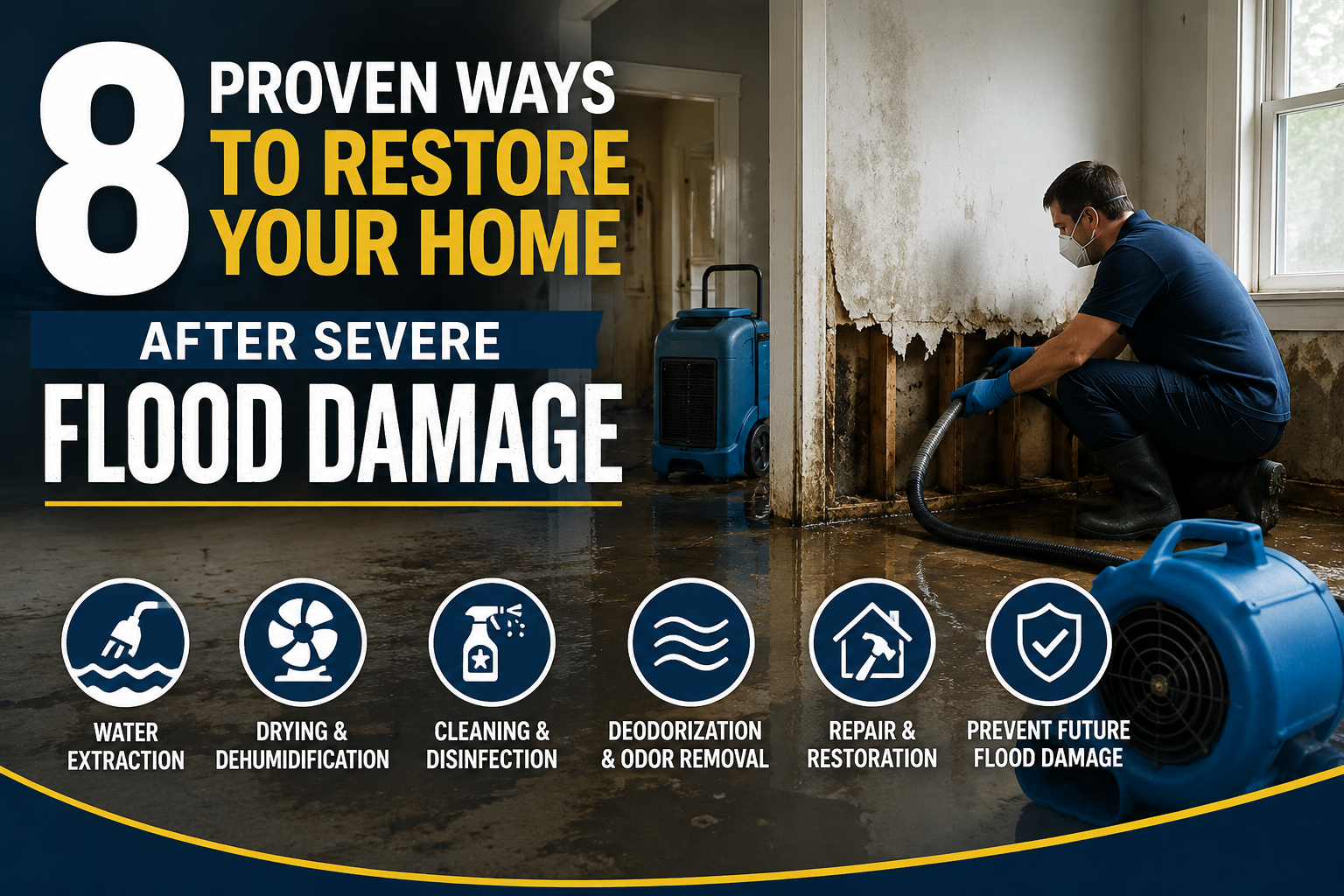
Flood water can turn a safe and comfortable home into a stressful disaster zone within hours. From soaked carpets and damaged walls to lingering odors and hidden mold, the aftermath often feels overwhelming. Acting quickly and following the right restoration process can make the difference between a full recovery and long-term structural problems. Whether the flooding came from storms, burst pipes, or overflowing drains, homeowners need a clear plan to restore their property safely and efficiently.
Professional Flood damage services are essential when dealing with serious water-related emergencies. Proper restoration protects not only the building structure but also the health of everyone living inside the home.
1. Start With Immediate Water Extraction
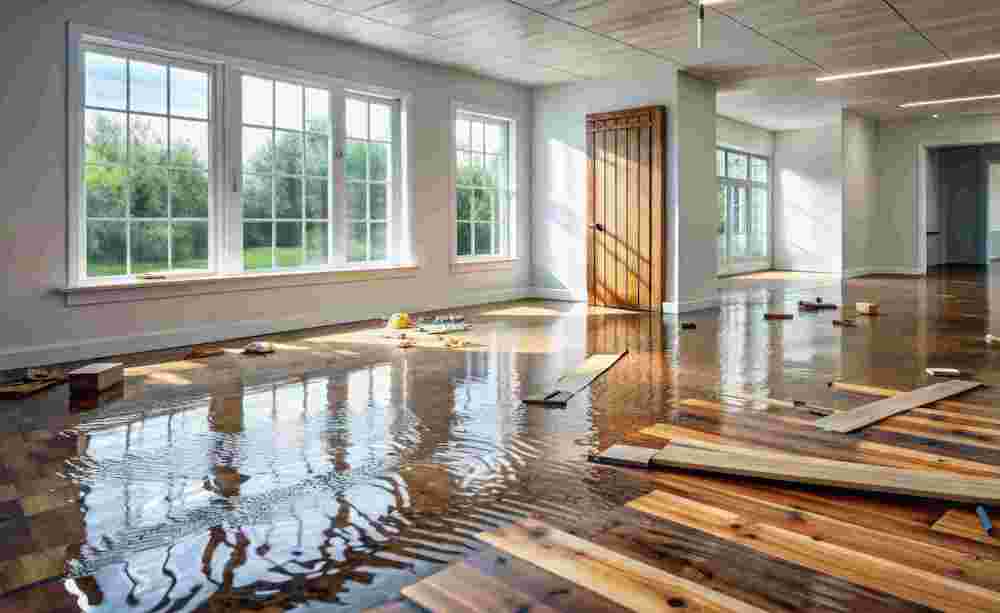
The first and most critical step after flooding is removing standing water as quickly as possible. Water spreads rapidly through flooring, drywall, insulation, and furniture. Delays increase the risk of mold growth, structural weakening, and contamination.
Professional restoration teams use industrial vacuums, and moisture detection tools to handle large-scale water removal efficiently. This stage is the foundation of effective water extraction and repair procedures.
Signs You Need Urgent Water Extraction
- Water pooling in multiple rooms
- Bubbling paint or warped flooring
- Damp smells that continue for hours
- Electrical hazards near wet areas
- Water stains spreading across walls or ceilings
| Flood Damage Issue | Possible Consequence |
|---|---|
| Standing water | Structural weakening |
| Wet carpets | Mold and bacteria growth |
| Damp drywall | Wall deterioration |
| Delayed cleanup | Expensive future repairs |
2. Inspect Structural Damage Thoroughly
Floodwater often affects more than what is visible on the surface. Water can seep beneath flooring, inside wall cavities, and into support beams. A professional inspection helps identify hidden risks before repairs begin.
Experts evaluate the safety of:
- Foundations
- Wooden framing
- Ceiling materials
- Electrical systems
- Plumbing lines
This inspection stage is an important part of Water damage restoration perth because hidden moisture can continue causing damage long after surfaces appear dry.
3. Dry and Dehumidify the Entire Property
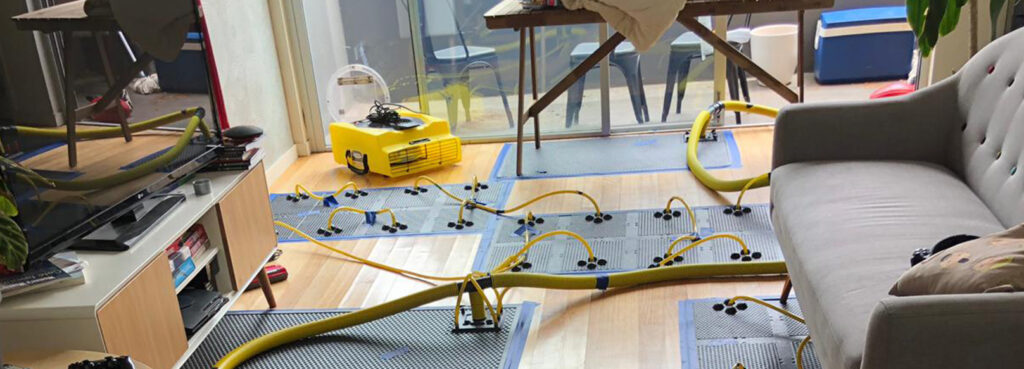
Removing visible water is only part of the restoration process. Moisture trapped inside materials creates the perfect environment for mold, mildew, and bacteria. Industrial air movers and dehumidifiers are used to dry the property completely.
Professionals monitor humidity levels using moisture meters to ensure drying is successful. Skipping this process often leads to long-term indoor air quality problems and recurring property damage.
Areas Commonly Affected by Hidden Moisture
- Under wooden flooring
- Behind kitchen cabinets
- Inside insulation
- Beneath carpets and rugs
- Ceiling cavities
4. Remove Damaged Materials Safely
Not all materials can be restored after severe flooding. Porous items absorb contaminated water quickly and may become unsafe for reuse. Flood restoration specialists determine which materials can be salvaged and which must be replaced.
Commonly removed materials include:
- Saturated drywall
- Insulation
- Damaged carpeting
- Swollen timber panels
- Contaminated furniture
5. Perform Deep Cleaning and Sanitization
Floodwater may contain bacteria, sewage residue, chemicals, and harmful microorganisms. Thorough cleaning and sanitation are essential to restore a healthy indoor environment.
Professional cleaning methods include:
- Antimicrobial treatments
- Surface disinfection
- Steam cleaning
- Air purification
- Odor-neutralizing solutions
Reliable Flood damage restoration perth services focus heavily on sanitation because flood contamination can pose serious health risks if ignored.
| Restoration Step | Purpose |
|---|---|
| Water extraction | Prevent additional spread |
| Drying and dehumidification | Eliminate trapped moisture |
| Disinfection | Remove bacteria and contaminants |
| Odor removal | Improve indoor air quality |
| Structural repair | Restore property safety |
6. Eliminate Lingering Odors Completely
Flood damage often leaves behind unpleasant smells caused by damp materials, bacteria, and mold growth. Air fresheners only mask the issue temporarily. Professional deodorization targets the source of the odor directly.
Specialized methods may include:
- Thermal fogging
- HEPA air filtration
- Ozone treatments
- Antimicrobial deodorization
Effective odor removal is a major component of Deodorization and Disinfection because lingering smells usually indicate deeper moisture problems.
7. Repair and Restore Damaged Areas
Once cleaning and drying are complete, the property restoration phase begins. This includes rebuilding damaged sections of the home and restoring functionality.
Typical restoration work may involve:
- Replacing drywall and insulation
- Installing new flooring
- Painting walls and ceilings
- Repairing cabinetry
- Restoring electrical systems
Read This Blog Also- 5 Steps for Proper Water Extraction & Building Restoration
After Word
Recovering from severe flood damage requires more than basic cleanup. Every stage, from water extraction to structural repair and sanitization, plays a critical role in protecting your property and health. Fast action, professional equipment, and experienced restoration specialists can significantly reduce long-term damage and restoration costs.
For homeowners looking for dependable flood recovery solutions, GSB Flood Master provides professional support for water extraction, property drying, repairs, deodorization, and complete flood restoration services tailored to residential and commercial properties alike.