

Water damage can strike unexpectedly, turning a comfortable home into a stressful environment within minutes. Whether caused by a burst pipe, heavy rainfall, or an overflowing appliance, the key to minimizing damage lies in swift and effective action. Understanding water extraction and repair, Water Damage Restoration, Flood Damage Restoration, Deodorization and Disinfection is essential for homeowners who want to protect their property and health.
This guide explores six expert tips that will help you handle water emergencies efficiently while ensuring your home recovers quickly and safely.
Why Immediate Water Extraction Matters
When water enters your home, every second counts. Moisture seeps into walls, flooring, and furniture, creating the perfect environment for mold growth and structural damage. Delaying action can lead to costly repairs and health hazards.
Water extraction and repair, Water Damage Restoration, Flood Damage Restoration, Deodorization and Disinfection are not just technical terms they represent a structured approach to restoring your home. Acting quickly helps:
- Prevent mold and mildew growth
- Reduce structural damage
- Save furniture and belongings
- Lower overall repair costs
The sooner you begin the process, the better your chances of restoring your home to its original condition.
Understanding the Water Damage Restoration Process
Before diving into the expert tips, it’s important to understand how professionals approach restoration. The process typically involves several stages:
- Assessment and Inspection
- Water Removal
- Drying and Dehumidification
- Cleaning and Sanitizing
- Restoration and Repairs
Each stage plays a crucial role in water extraction and repair, Water Damage Restoration, Flood Damage Restoration, Deodorization and Disinfection, ensuring a thorough recovery.
Tip 1: Act Fast to Remove Standing Water
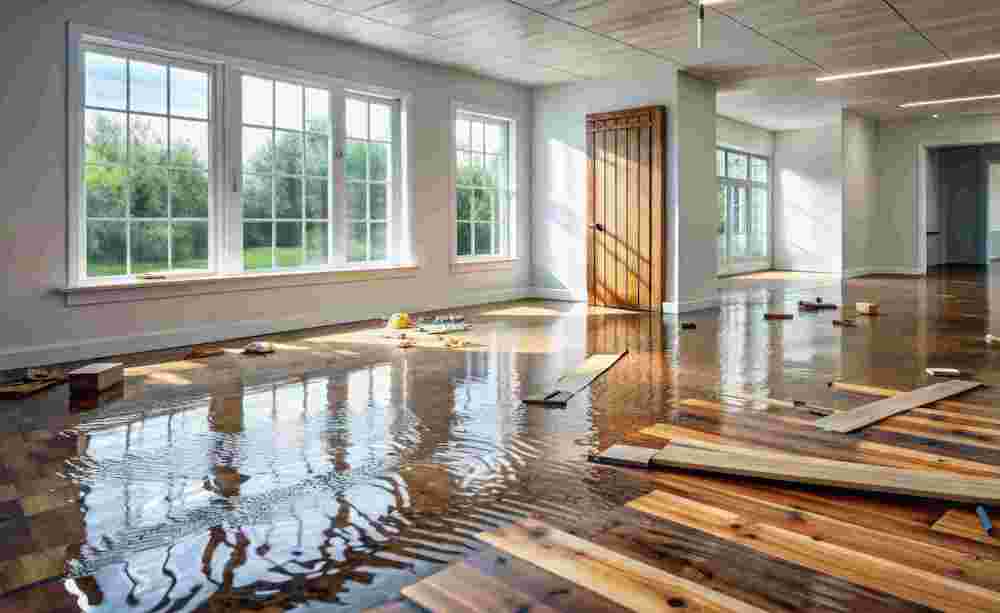
The first and most critical step is removing standing water. The longer water sits, the deeper it penetrates surfaces.
How to Handle Water Removal Quickly
Start by identifying the source of water and stopping it if possible. Once the source is controlled, focus on extraction.
- Use pumps or wet/dry vacuums for large volumes
- Mop and towel dry smaller areas
- Open doors and windows to improve airflow
- Move furniture away from wet zones
Quick action during this stage significantly improves the success of water extraction and repair, Water Damage Restoration, Flood Damage Restoration, Deodorization and Disinfection.
Tip 2: Prioritize Safety Before Starting Cleanup
Water damage situations can pose serious safety risks, including electrical hazards and contaminated water.
Essential Safety Measures
Before beginning any cleanup, ensure your environment is safe:
- Turn off electricity in affected areas
- Wear protective gear such as gloves and boots
- Avoid contact with contaminated water
- Check for structural instability
Proper precautions ensure that water extraction and repair, Water Damage Restoration, Flood Damage Restoration, Deodorization and Disinfection are carried out without additional risks.
Tip 3: Dry and Dehumidify Thoroughly
Removing visible water is only part of the solution. Moisture often remains trapped in walls, floors, and insulation.
Effective Drying Techniques
To prevent long-term damage, thorough drying is essential:
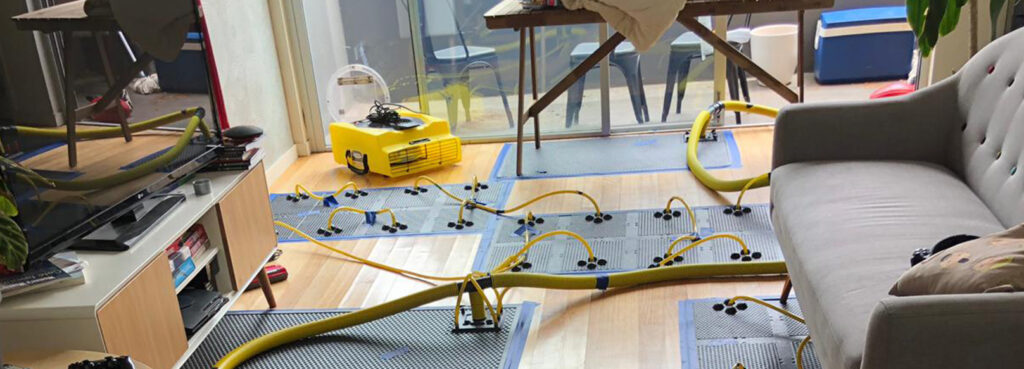
- Use industrial fans to circulate air
- Install dehumidifiers to reduce humidity levels
- Remove carpets and rugs for separate drying
- Check hidden areas like under flooring and behind walls
Tip 4: Clean, Sanitize, and Disinfect All Surfaces
Water damage often brings bacteria, contaminants, and unpleasant odors. Cleaning and sanitizing are critical steps in restoring a healthy environment.
Steps for Effective Cleaning
Once the area is dry, focus on sanitation:
- Use antimicrobial cleaning solutions
- Disinfect hard surfaces thoroughly
- Wash fabrics and upholstery
- Dispose of items that cannot be cleaned
This stage ensures proper Deodorization and Disinfection, which is a vital part of water extraction and repair, Water Damage Restoration, Flood Damage Restoration, Deodorization and Disinfection.
Tip 5: Remove Odors with Professional Deodorization Techniques
Lingering odors are common after water damage and can be difficult to eliminate without proper methods.
How to Eliminate Persistent Smells
Odor removal requires more than just air fresheners:
- Use air scrubbers and ozone generators
- Apply odor-neutralizing treatments
- Clean HVAC systems to prevent odor circulation
- Ensure complete drying to avoid recurring smells
Effective deodorization plays a major role in water extraction and repair, Water Damage Restoration, Flood Damage Restoration, Deodorization and Disinfection, ensuring your home feels fresh and livable again.
Tip 6: Repair and Restore Damaged Areas
After cleaning and drying, the final step is restoring your home to its original condition.
Restoration Tasks to Consider
Depending on the extent of damage, repairs may include:
- Replacing drywall and insulation
- Repairing flooring and carpets
- Repainting walls and ceilings
- Restoring damaged furniture
This stage completes the cycle of water extraction and repair, Water Damage Restoration, Flood Damage Restoration, Deodorization and Disinfection, bringing your home back to normal.
Common Mistakes to Avoid During Water Damage Recovery
Even with the best intentions, homeowners often make mistakes that worsen the situation.
Avoid These Pitfalls
- Delaying water removal
- Ignoring hidden moisture
- Using inadequate drying equipment
- Skipping professional help when needed
Avoiding these errors ensures a smoother process of water extraction and repair, Water Damage Restoration, Flood Damage Restoration, Deodorization and Disinfection.
When to Call Professionals for Water Damage Restoration
While minor water damage can be handled independently, severe cases require professional expertise.
Signs You Need Expert Help
- Extensive flooding
- Contaminated or sewage water
- Mold growth
- Structural damage
Professionals have advanced tools and experience to handle complex water extraction and repair, Water Damage Restoration, Flood Damage Restoration, Deodorization and Disinfection tasks efficiently.
Preventive Measures to Protect Your Home
Prevention is always better than repair. Taking proactive steps can save you time, money, and stress.
Simple Prevention Tips
- Regularly inspect plumbing systems
- Install water leak detectors
- Maintain gutters and drainage systems
- Seal cracks in walls and foundations
By staying prepared, you reduce the chances of needing extensive water extraction and repair, Water Damage Restoration, Flood Damage Restoration, Deodorization and Disinfection in the future.
The Role of Technology in Modern Water Damage Restoration
Advancements in technology have made restoration faster and more effective.
Modern Tools Used in Restoration
- Moisture meters for accurate detection
- Infrared cameras to find hidden water
- High-powered extraction machines
- Industrial-grade dehumidifiers
Health Risks Associated with Water Damage
Water damage isn’t just a structural issue it can also impact your health.
Potential Health Concerns
- Respiratory problems from mold
- Skin irritation from contaminated water
- Allergic reactions
- Bacterial infections
Read This Blog Also– 10 Powerful Flood Damage Restoration Hacks to Save Your Home
After Word
Recovering from water damage requires a combination of speed, knowledge, and the right techniques. By following these six expert tips acting quickly, prioritizing safety, drying thoroughly, sanitizing effectively, eliminating odors, and restoring damaged areas you can successfully manage the situation and protect your home.
For reliable and professional assistance, GSB Flood Master offers expert solutions to handle every stage of water damage restoration with precision and care.