
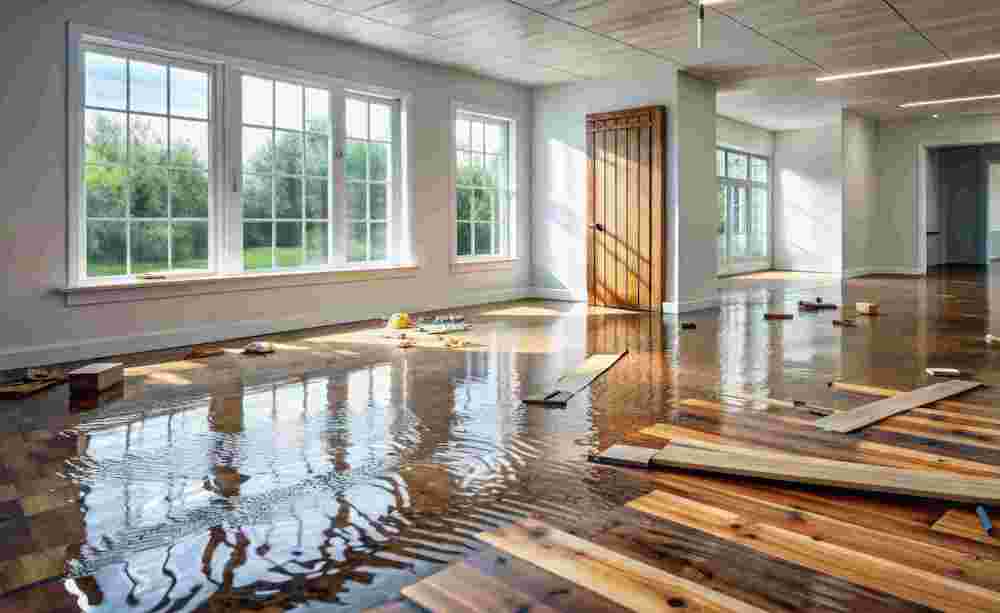
Water damage rarely gives you a warning. One moment everything is fine, and the next, you’re dealing with soaked carpets, damaged walls, and that unmistakable damp smell creeping into your home.
Acting fast isn’t just helpful it’s critical. Whether it’s a burst pipe, heavy rain, or an unexpected leak, understanding Deodorization and Disinfection, Water Extraction & Repair, Water Damage Restoration, Flood Damage Restoration can make the difference between a quick fix and a costly disaster.
This guide walks you through seven urgent and practical tips every homeowner should know. Each tip is designed to help you minimize damage, protect your health, and restore your property efficiently.
1. Act Immediately to Minimize Damage
Time is your biggest enemy when dealing with water damage. Within minutes, water starts seeping into floors, furniture, and walls. Within hours, materials begin to swell, warp, and deteriorate.
Quick action ensures that Deodorization and Disinfection, water extraction & repair, Water Damage Restoration, Flood Damage Restoration efforts remain manageable and cost-effective.
Why immediate action matters:
- Prevents mold growth within 24–48 hours
- Reduces structural weakening
- Minimizes restoration costs
- Preserves personal belongings
Even a small delay can turn a minor issue into a major repair project.
2. Identify and Stop the Water Source
Before you start drying anything, you must stop the source of the water. Ignoring this step will only lead to recurring damage.
Common sources include:
- Burst or leaking pipes
- Roof leaks during storms
- Overflowing appliances
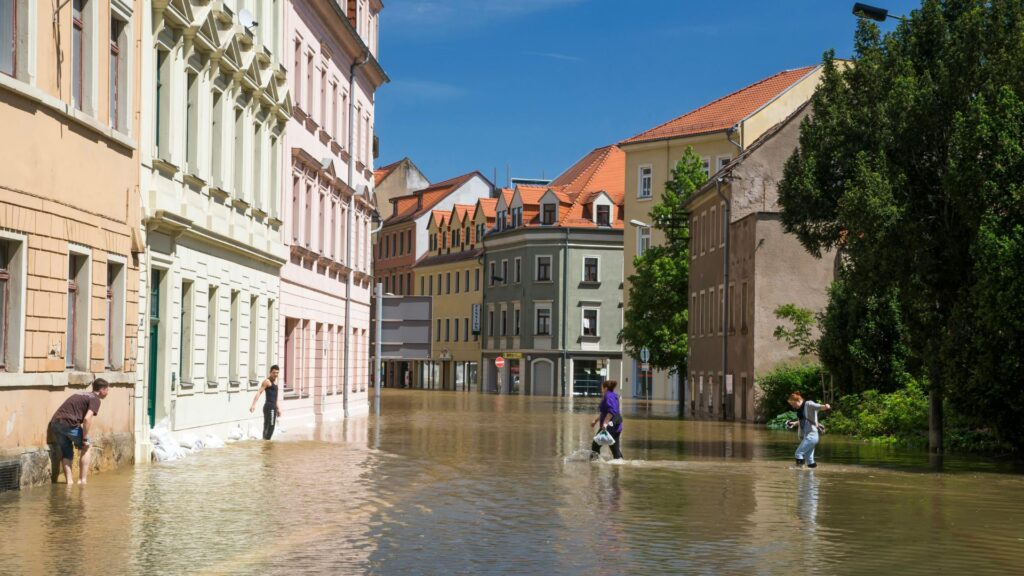
- Groundwater flooding
Shutting off the main water supply is often the first step. Once controlled, you can begin Water Damage Restoration, Flood Damage Restoration safely and effectively.
3. Remove Standing Water Quickly
Standing water is the most damaging phase of any flood situation. The longer it sits, the deeper it penetrates into materials.
Professional-grade pumps and wet vacuums are ideal, but homeowners can start with basic tools if needed.
Effective Water Removal Methods
| Method | Best Use Case | Efficiency Level |
|---|---|---|
| Wet Vacuum | Small indoor flooding | Moderate |
| Submersible Pump | Basements or large areas | High |
| Buckets & Mops | Minor water accumulation | Low |
| Professional Extraction Equipment | Severe flooding | Very High |
4. Thorough Drying and Dehumidification
After water removal, moisture still lingers in hidden areas like walls, flooring, and insulation. This is where many homeowners make mistakes they assume visible dryness equals complete dryness.
Proper drying is essential for successful Deodorization and Disinfection, Water Extraction & Repair Water Damage Restoration, Flood Damage Restoration.
Key drying techniques include:
- Using industrial air movers
- Running dehumidifiers continuously
- Opening windows for ventilation (weather permitting)
- Removing soaked carpets and padding
Without proper drying, mold can begin growing within a day or two.
5. Clean, Deodorize, and Disinfect All Affected Areas
Water damage isn’t just about moisture it often brings contaminants, bacteria, and unpleasant odors. This makes Deodorization and Disinfection, water extraction and repair, Water Damage Restoration, Flood Damage Restoration a critical step.
Why cleaning and disinfecting is essential:
| Area Affected | Risk Level | Required Action |
|---|---|---|
| Carpets & Rugs | High | Deep cleaning or replacement |
| Walls & Drywall | Medium | Sanitization and sealing |
| Furniture | High | Disinfection or disposal |
| HVAC Systems | Very High | Professional cleaning |
Neglecting this step can lead to long-term health risks, including respiratory issues and allergies.
6. Inspect for Structural Damage
Water can weaken your home’s structural integrity without obvious signs. Floors may feel solid but could be compromised underneath.
Careful inspection ensures your Deodorization and Disinfection, water extraction and repair, Water Damage Restoration, Flood Damage Restoration process is complete and safe.
What to check:
- Warped flooring
- Cracks in walls or ceilings
- Sagging drywall
- Damaged electrical systems
If any structural concerns arise, professional evaluation is highly recommended.
7. Prevent Future Water Damage
Once your home is restored, the next step is prevention. The best repair is avoiding the problem altogether.
Smart Prevention Tips
- Install sump pumps in flood-prone areas
- Regularly inspect plumbing systems
- Clean gutters and downspouts
- Seal foundation cracks
- Use water leak detectors
Preventive measures reduce the need for repeated Deodorization and Disinfection, water extraction and repair, Water Damage Restoration, Flood Damage Restoration, saving time and money in the long run.
Understanding Different Types of Water Damage
Not all water damage is the same. Knowing the type helps determine the urgency and method of restoration.
Categories of water damage:
- Clean Water: From pipes or rain, less harmful
- Gray Water: From appliances, slightly contaminated
- Black Water: Sewage or floodwater, highly hazardous
Each category requires a different level of Deodorization and Disinfection, water extraction and repair, Water Damage Restoration, Flood Damage Restoration.
Common Mistakes Homeowners Should Avoid
Even with the best intentions, certain mistakes can worsen water damage.
Avoid these errors:
- Delaying water removal
- Using household fans instead of proper equipment
- Ignoring hidden moisture
- Skipping disinfection
- Attempting major repairs without expertise
Understanding what not to do is just as important as knowing what to do.
When to Call Professionals
While minor issues can be handled independently, major flooding requires expert help.
You should consider professionals if:
- Water damage covers large areas
- There’s contamination involved
- Mold growth is visible
- Structural damage is suspected
Professional services ensure complete Deodorization and Disinfection, water extraction and repair, Water Damage Restoration, Flood Damage Restoration with advanced tools and expertise.
Health Risks Associated with Water Damage
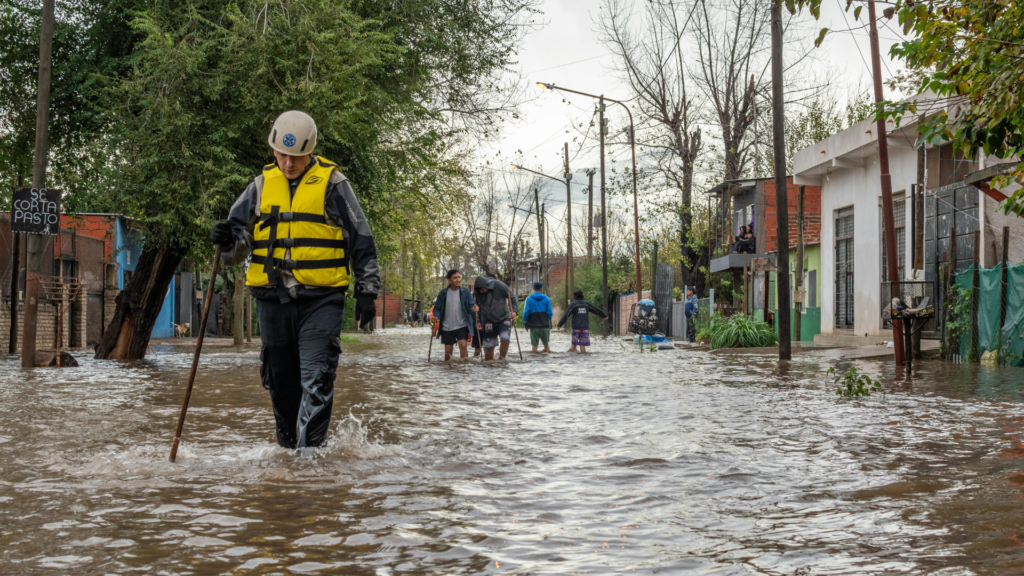
Water damage doesn’t just affect property it can impact your health significantly.
Potential health concerns:
- Mold-related respiratory issues
- Skin irritation from contaminated water
- Allergies triggered by damp environments
Proper Deodorization and Disinfection, water extraction and repair, Water Damage Restoration, Flood Damage Restoration is essential to maintain a safe living environment.
Cost Factors in Water Damage Restoration
The cost of restoration varies based on several factors.
Key cost influencers:
- Extent of water damage
- Type of water involved
- Area size affected
- Materials damaged
- Required equipment and labor
Read This Blog Also- 10 Powerful Flood Damage Restoration Hacks to Save Your Home
Final Words
Water damage can escalate quickly, but with the right knowledge and prompt action, you can protect your home and avoid long-term complications. By following these seven urgent tips, homeowners can confidently handle emergencies and reduce the risks associated with water damage.
For those seeking reliable and professional support, GSB Flood Master stands out as a trusted name, offering expert solutions in Deodorization and Disinfection, water extraction and repair, Water Damage Restoration, Flood Damage Restoration to restore your home safely and efficiently.