

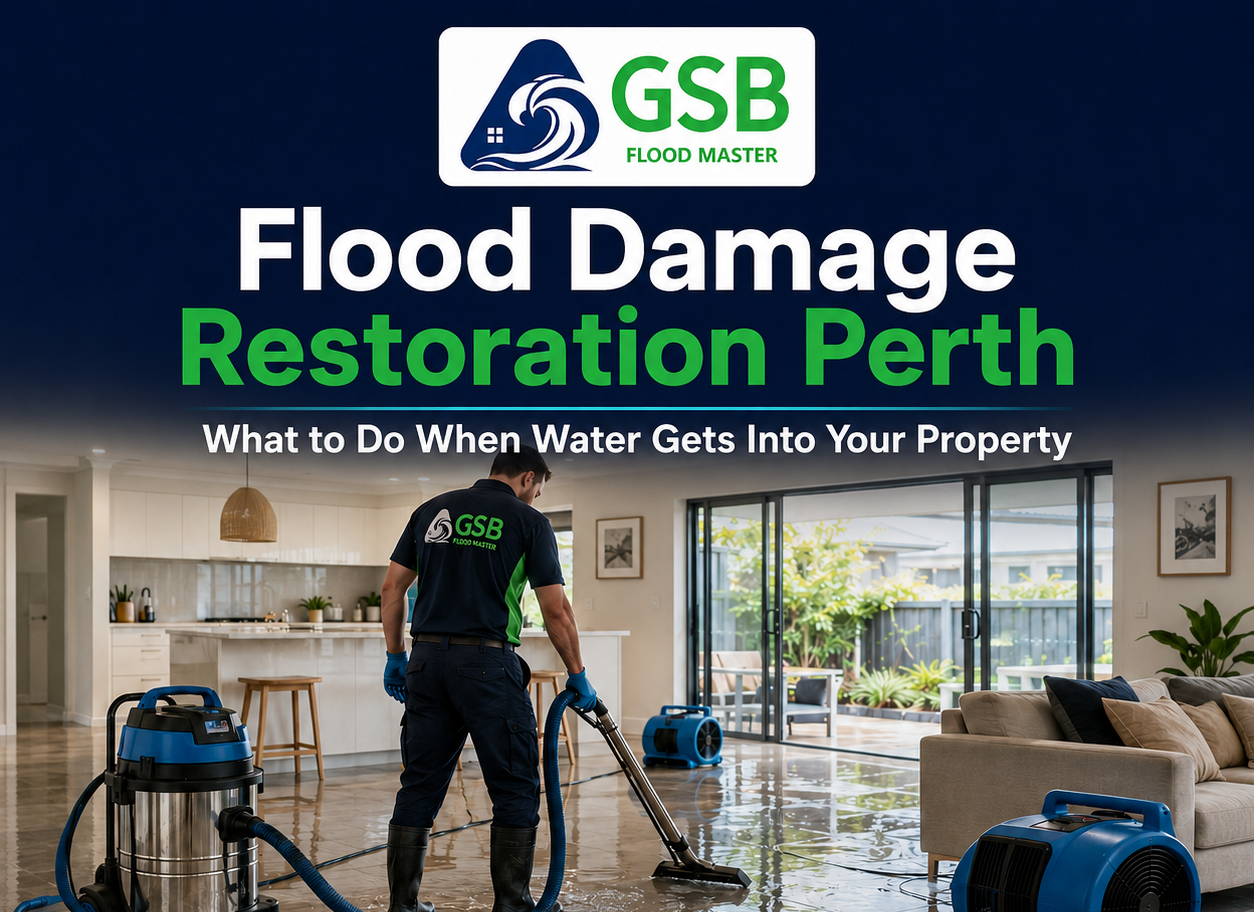
Water damage rarely arrives at a convenient time. It might begin with a washing-machine hose letting go while you are at work, rain finding its way through a damaged roof, or stormwater pushing beneath a doorway during a wild Perth winter night.
At first, the problem can look deceptively simple: remove the water, open the windows and wait for the carpet to dry. Unfortunately, moisture does not stay where you can see it. It can move beneath flooring, soak into plasterboard, enter wall cavities and remain trapped behind cabinetry.
That is why professional Flood Damage Restoration Perth services are about more than removing visible water. The real objective is to make the property safe, clean contaminated areas, dry the structure properly and prevent today’s leak from becoming next month’s mould problem.
This guide explains what Perth homeowners, tenants and business operators should do after discovering water damage—and what to expect from a professional Water Damage Restoration Perth service.
Why water damage is a genuine risk in Perth
Perth may be known for its dry summers, but its rainfall is heavily concentrated in the cooler months. Bureau of Meteorology averages for Perth Metro show mean rainfall of approximately 127 mm in June, 147 mm in July and 125 mm in August. Together, those winter months account for more than half of the location’s recorded mean annual rainfall.
That concentration can place roofs, gutters, stormwater drains and low-lying parts of a property under significant pressure. The Department of Fire and Emergency Services also identifies flooding from blocked gutters as a common cause of storm damage.
Rain is not the only concern. Perth restoration teams regularly encounter water damage caused by:
- Burst or leaking pipes
- Failed flexi-hoses beneath sinks and basins
- Overflowing baths, toilets and washing machines
- Leaking hot-water systems
- Damaged roof tiles or flashing
- Blocked gutters and downpipes
- Stormwater entering garages and ground-floor rooms
- Air-conditioning and refrigeration leaks
- Sewage or wastewater overflows
- Undetected leaks behind showers, cupboards and walls
A slow leak can sometimes be more destructive than a dramatic flood because it may continue unnoticed for weeks.
Water damage and flood damage are not always the same
People often use “water damage” and “flood damage” interchangeably, but the source of the water matters.
Water from a recently broken supply pipe may begin relatively clean. Water from an overflowing appliance can contain detergents, food particles or other contaminants. Floodwater, stormwater and sewage should be treated as contaminated because they may contain bacteria, viruses, chemicals, silt and organic waste.
According to HealthyWA’s flood clean-up guidance, floodwater, mud and silt can expose people to gastroenteritis, skin infections and other illnesses. Anything touched by a wastewater overflow should be assumed to be contaminated.
The appropriate restoration method therefore depends on:
- Where the water came from
- How long it has been present
- Which materials have been affected
- Whether contaminants are involved
- Whether water has entered electrical systems
- The amount of hidden moisture inside the building
This assessment should happen before somebody simply points a fan at the carpet.
What to do immediately after discovering water damage
The first few decisions can affect both your safety and the eventual repair cost.
1. Put people before the property
Keep children, pets and anyone vulnerable away from the affected area. Do not enter standing water if electrical outlets, appliances or damaged wiring may be involved.
Never handle electrical equipment while standing on a wet surface. HealthyWA advises that electrical and gas equipment should not be switched on until it has been checked by a licensed electrician or gas fitter.
Call Triple Zero if there is an immediate threat to life. For emergency storm or flood assistance in Western Australia, contact the SES on 132 500.
2. Stop the source if it is safe
Turn off the property’s water supply when a burst pipe or appliance is responsible. Place a container beneath a minor leak if this can be done safely.
Do not climb onto a wet roof during a storm or attempt electrical, plumbing or structural repairs for which you are not qualified.
3. Record the damage
Take clear photographs and videos before moving damaged belongings. Capture:
- The suspected water source
- Water levels and affected rooms
- Wet flooring and walls
- Damaged furniture and appliances
- Product labels, brands and serial numbers
- Items that must be discarded for health reasons
Create a written inventory and keep invoices for emergency work, accommodation and replacement items.
4. Contact your insurer
Notify the insurer as soon as practical and ask what evidence it requires. DFES advises property owners to check with their insurance company before entering contracts with cleaning or repair contractors.
Urgent work may still be needed to prevent further damage or protect health, so document why it was necessary and retain all reports and receipts.
5. Arrange professional assessment
If a room is heavily wet, the water is contaminated, several rooms are involved or moisture may have entered walls and flooring, arrange professional restoration promptly.
Why removing visible water is only the beginning
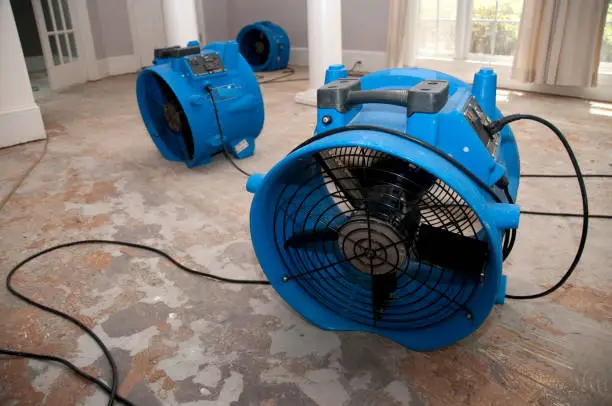
A carpet can feel dry on top while the underlay and subfloor remain wet. Plasterboard can appear normal even though the insulation behind it is holding moisture. Skirting boards may conceal dampness at the base of a wall.
Trapped moisture creates several problems:
- Plasterboard can swell, soften or lose strength
- Timber floors can cup, warp or separate
- Laminate flooring can lift at the edges
- Carpet backing and underlay can deteriorate
- Cabinetry can swell or delaminate
- Metal components may corrode
- Paint can blister or peel
- Persistent odours can develop
- Mould can spread through porous materials
WA Health guidance notes that buildings remaining wet for more than approximately 24–48 hours may face extensive mould growth. This does not mean every wet surface becomes mouldy at exactly 48 hours, but it does show why early investigation and controlled drying matter.
What professional Water Damage Restoration Perth involves
A thorough restoration project normally follows a measured process rather than relying on guesswork.
Inspection and moisture mapping
Technicians identify the source, assess contamination and determine how far the moisture has travelled. Moisture meters and, where appropriate, thermal imaging help locate wet areas that are not obvious from the surface.
Initial readings also provide a baseline against which drying progress can be measured.
Water extraction
Pumps and commercial extraction equipment remove standing water and draw moisture from carpets and other surfaces. Efficient extraction reduces the amount of water that must later be removed through evaporation.
Removal of unsalvageable materials
Some items can be cleaned and restored. Others—particularly contaminated carpet underlay, heavily affected plasterboard, insulation or swollen composite cabinetry—may need controlled removal.
The decision should consider contamination, material condition and whether the item can be dried and cleaned safely.
Cleaning and sanitising
Affected hard surfaces are cleaned according to the type of water involved. Contaminated losses may require containment, appropriate protective equipment and targeted sanitising procedures.
Fragrance alone does not make an area clean. Deodorisers should never be used to disguise unresolved moisture or contamination.
Structural drying
Commercial air movers encourage evaporation, while dehumidifiers collect moisture from the air. Equipment placement should be based on room volume, affected materials and current moisture conditions.
Doors and windows are not automatically left open. In some weather conditions, introducing humid outdoor air can slow controlled drying.
Monitoring and verification
Professional drying is not complete because a surface “feels dry”. Moisture readings should be checked during the process and compared with suitable unaffected materials or an established drying target.
Only after the structure has reached an acceptable condition should reconstruction and final finishes begin.
Common mistakes that can make water damage worse
Waiting to see what happens
Water continues travelling after the visible flow stops. Delaying assessment can increase damage to flooring, walls and contents.
Using household fans around contaminated water
Fans can spread contaminated droplets or mould spores. They should also not be used where electrical safety has not been established.
Reinstalling flooring too soon
New carpet, laminate or timber laid over a damp subfloor can trap moisture and create recurring odours or mould.
Painting over water stains
A stain is evidence of a moisture event, not merely a decorating problem. The source and the moisture behind the surface must be addressed first.
Assuming bleach solves every mould problem
Visible mould is often a symptom of unresolved moisture. Cleaning the surface without fixing the leak and drying the underlying material allows the problem to return.
Throwing everything away before documenting it
Health-damaged items may need to be discarded quickly, but photograph them and record identifying details first whenever it is safe to do so.
Reducing the risk before Perth’s wet season
No property can be made completely flood-proof, but routine maintenance can reduce preventable damage.
Before winter:
- Clear leaves and debris from gutters and downpipes
- Check that stormwater drains flow away from the building
- Inspect roof tiles, flashing and ceiling stains
- Replace old or damaged appliance flexi-hoses
- Test washing-machine and dishwasher connections
- Know where the main water shut-off valve is located
- Check seals around windows, balconies and external doors
- Store important documents above likely flood level
- Photograph valuable contents for insurance records
- Review what your insurance policy does and does not cover
Properties in the Perth Hills, older neighbourhoods, coastal areas and low-lying suburbs can face different water-entry risks. Advice should be matched to the building rather than based on a one-size-fits-all checklist.
Choosing a flood restoration company in Perth
When the property is wet and everyone is stressed, it is tempting to choose the first number that appears online. A few careful questions can help you avoid incomplete work.
Ask the provider:
- How will you identify moisture behind walls and flooring?
- Will you document initial and final moisture readings?
- How do you change the process for contaminated water?
- Which materials do you expect to save or remove?
- How often will the drying conditions be checked?
- Will you provide photographs and a written report?
- Can you communicate with the insurer or loss assessor?
- Are the technicians trained in professional water restoration?
- Are electrical, plumbing and building repairs completed by appropriately licensed trades?
A reputable Flood Damage Restoration Perth provider should be willing to explain what it is doing, why equipment is needed and how the team will confirm that drying is complete.
If you need Water Damage Restoration Perth or Flood Damage Restoration Perth, contact GSB Flood Master on +61 400 949 954 or email info@gsbfloodmaster.com.au. Our team can assess the affected areas, explain the recommended restoration plan and help you take the next practical step.