

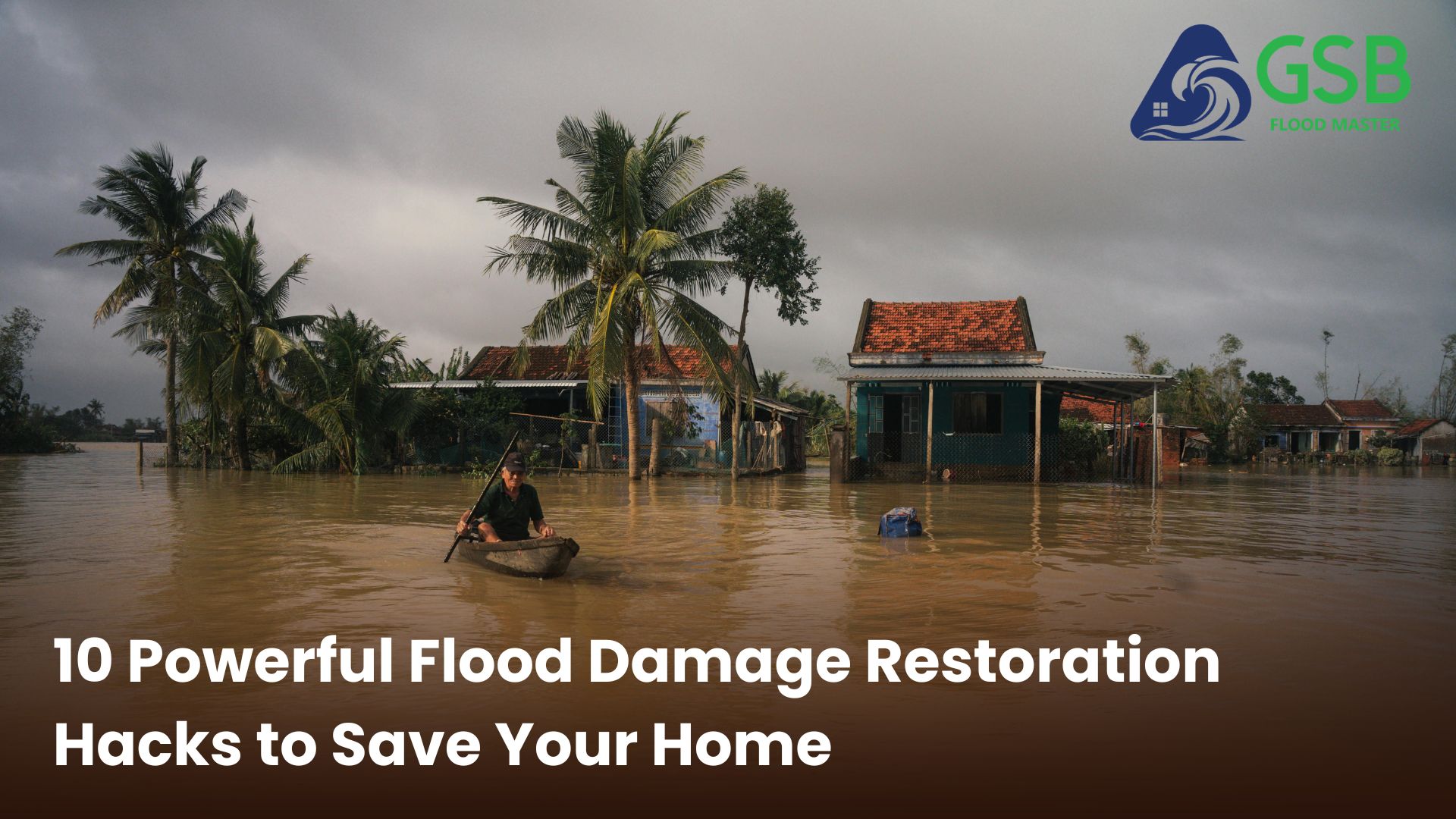
Floods don’t knock before entering they rush in, disrupt everything, and leave behind a trail of destruction that can feel overwhelming. From soaked walls to damaged flooring and lingering odors, the aftermath can quickly spiral out of control if not handled correctly. That’s where smart Flood Damage Restoration, Water Damage Restoration, water extraction and repair, Deodorization and Disinfection techniques come into play.
Instead of panicking, knowing the right hacks can save your home, your belongings, and a significant amount of money. This guide dives deep into actionable, expert-backed strategies that go beyond basic cleanup helping you restore your home faster and safer.
Why Immediate Flood Damage Restoration Matters
When water enters your home, the damage starts instantly and worsens with time. Within hours, materials begin to weaken, and within days, mold can spread rapidly.
Delaying Flood Damage Restoration, Water Damage Restoration, water extraction and repair, Deodorization and Disinfection can lead to:
- Structural damage to walls and floors
- Electrical hazards
- Mold growth and health risks
- Permanent damage to furniture and valuables
Taking immediate action is not just recommended it’s essential.
1. Shut Off Power and Water Supply First
Before you even step into the flooded area, safety must come first. Water and electricity are a dangerous combination.
Turn off the main power supply and water lines to prevent further complications during Flood Damage Restoration, Water Damage Restoration, water extraction and repair, Deodorization and Disinfection.
Key Safety Steps:
- Switch off electricity from the main breaker
- Avoid standing water with active electrical lines
- Wear rubber gloves and boots
- Keep children and pets away
This foundational step protects both you and your property.
2. Start Water Extraction Immediately
The longer water sits, the more damage it causes. Quick water extraction and repair is one of the most powerful ways to minimize loss.
Professional-grade pumps and wet vacuums can remove large volumes of water efficiently.
Effective Water Removal Tips:
- Use submersible pumps for deep water
- Employ wet/dry vacuums for smaller areas
- Remove standing water within 24 hours
- Open doors and windows for ventilation
Fast Flood Damage Restoration, Water Damage Restoration, water extraction and repair, Deodorization and Disinfection begins with removing water at the earliest.
3. Dry and Dehumidify Every Corner
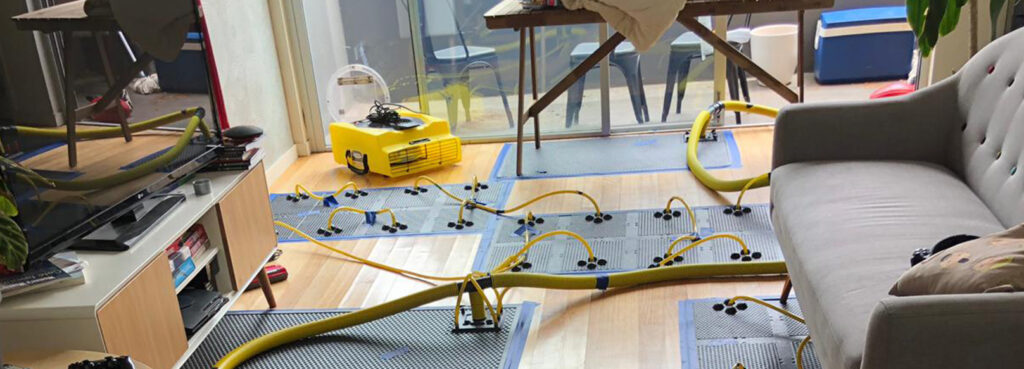
Even after visible water is gone, moisture remains hidden in walls, floors, and furniture. This hidden dampness can lead to mold and structural decay.
Proper drying is a crucial stage in Flood Damage Restoration, Water Damage Restoration, water extraction and repair, Deodorization and Disinfection.
Drying Techniques:
- Use industrial fans and dehumidifiers
- Remove carpets and rugs for separate drying
- Pull out wet insulation
- Monitor humidity levels daily
Thorough drying ensures your home doesn’t face long-term damage.
4. Remove Contaminated Materials Quickly
Floodwater often contains harmful contaminants like bacteria, sewage, and chemicals. Certain materials absorb these contaminants and become unsafe.
During Flood Damage Restoration, Water Damage Restoration, water extraction and repair, Deodorization and Disinfection, removing these items is necessary.
Items to Discard:
- Soaked mattresses and upholstery
- Wet drywall and insulation
- Contaminated carpets
- Water-damaged particleboard furniture
Holding onto such items can compromise your health and indoor air quality.
5. Deep Clean and Disinfect All Surfaces
Once debris and damaged materials are removed, cleaning begins. But this isn’t just about appearance—it’s about safety.
Deodorization and Disinfection eliminate harmful microbes and lingering odors.
Cleaning Essentials:
- Use antimicrobial cleaners
- Scrub walls, floors, and furniture
- Disinfect high-touch areas
- Apply mold-resistant solutions
This step is vital in effective Flood Damage Restoration, Water Damage Restoration, water extraction and repair, Deodorization and Disinfection.
6. Prevent Mold Growth Before It Starts
Mold can begin growing within 24–48 hours of water exposure. Preventing it is easier than removing it later.
Mold Prevention Hacks:
- Keep humidity below 50%
- Use mold inhibitors on surfaces
- Inspect hidden areas regularly
- Ensure proper ventilation
A proactive approach to Flood Damage Restoration, Water Damage Restoration, water extraction and repair, Deodorization and Disinfection can save thousands in future repairs.
7. Restore Flooring the Smart Way
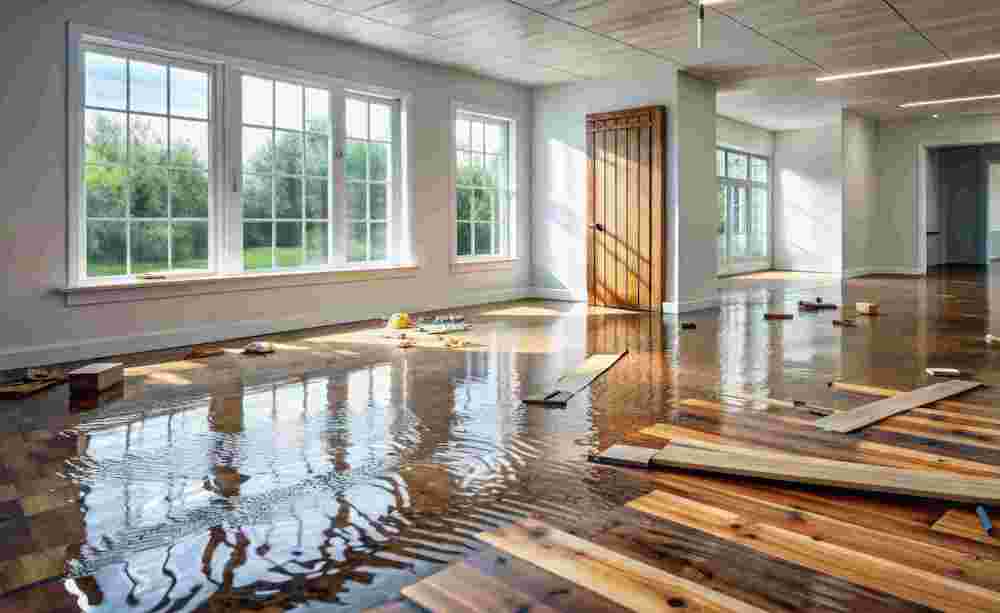
Floodwater can ruin flooring materials, but not all need replacement. Smart restoration can save both time and money.
Flooring Restoration Guide:
| Flooring Type | Restoration Possibility | Action Required |
|---|---|---|
| Hardwood | Moderate | Dry and refinish |
| Tile | High | Clean and disinfect |
| Carpet | Low | Replace if heavily soaked |
| Laminate | Very Low | Replace completely |
Understanding this helps in efficient Flood Damage Restoration, Water Damage Restoration, water extraction and repair, Deodorization and Disinfection planning.
8. Salvage and Restore Furniture
Not everything needs to be thrown away. Some furniture can be restored with proper techniques.
Furniture Recovery Tips:
- Dry wooden furniture slowly to prevent cracking
- Clean metal items to avoid rust
- Use disinfectants on salvageable items
- Air-dry cushions thoroughly
Smart restoration plays a big role in Flood Damage Restoration, Water Damage Restoration, water extraction and repair, Deodorization and Disinfection.
9. Inspect Structural Integrity
Floods can weaken your home’s foundation, walls, and ceilings. A proper inspection ensures safety before reoccupation.
Structural Checkpoints:
| Area | What to Inspect | Warning Signs |
|---|---|---|
| Foundation | Cracks, shifting | Uneven floors |
| Walls | Bulging, softness | Discoloration |
| Ceilings | Sagging, water stains | Dripping water |
| Electrical System | Wiring damage | Flickering lights |
This step is crucial in completing Flood Damage Restoration, Water Damage Restoration, water extraction and repair, Deodorization and Disinfection safely.
10. Call Professionals for Advanced Restoration
While DIY methods help initially, professional services ensure complete restoration. Experts use advanced equipment and techniques to restore your home thoroughly.
When to Call Experts:
- Severe flooding damage
- Persistent odors
- Mold infestation
- Structural concerns
Read This Blog Also- Top Water Damage Restoration Perth Services for Flood Emergencies
After Words
Flood damage can feel devastating, but with the right approach, recovery becomes manageable. These hacks are designed to help you act quickly, make informed decisions, and restore your home efficiently.
From immediate water extraction and repair to thorough Deodorization and Disinfection, every step plays a critical role in bringing your home back to life. While DIY efforts can handle minor damage, professional help ensures nothing is overlooked.
For reliable and expert-level support, GSB Flood Master stands out as a trusted name in handling complete Flood Damage Restoration, Water Damage Restoration, water extraction and repair, Deodorization and Disinfection services. Their expertise ensures your home is not just restored—but protected for the future.